

Data centre operators in the UAE are having to rethink how they cool increasingly dense computing infrastructure, with Khazna Data Centers turning to direct-to-chip liquid cooling, modular facilities and free-cooling technologies as it expands its footprint.
The company operates 28 owned and operated data centres and two leased facilities, with more than 450MW of contracted capacity, according to its first standalone ESG report covering 2025.
One of its newer facilities, QAJ1 in Ajman, uses air-assisted direct-to-chip liquid cooling. The site consists of 20 modular 5MW data halls and is designed to support higher rack densities than conventional air-cooled infrastructure.
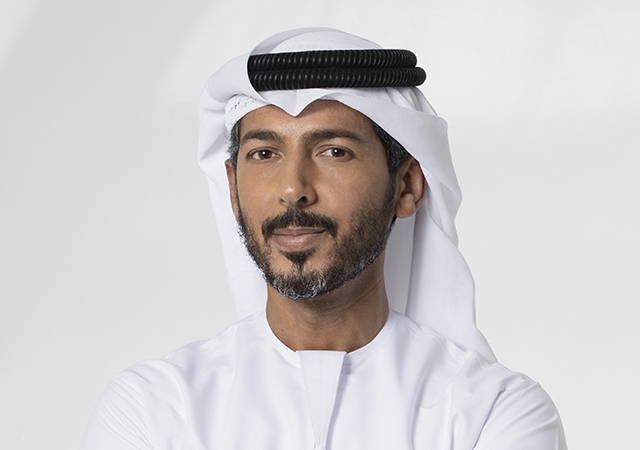
Hassan Alnaqbi
Khazna said the facility is intended to provide a reference design for wider deployment of liquid cooling across its portfolio. The technology transfers heat directly from high-power components rather than relying solely on air cooling.
The company also reported that 19 of its data centres were equipped with adiabatic free-cooling systems in 2025. These systems use outside-air conditions to reduce the need for mechanical cooling.
Designing around efficiency
Khazna is targeting a power usage effectiveness (PUE) of 1.5 or below for new data centres in the GCC. The company said the target will be supported by modular designs, high-efficiency cooling and real-time energy management systems.
The UAE’s climate adds another engineering constraint. High ambient temperatures increase the cooling requirements of data centres, while water availability limits the practicality of some conventional cooling approaches.
Khazna reported that treated sewage effluent supplied 19.8% of its cooling-water requirements in 2025. Using recycled water for cooling reduces reliance on potable water in a region where water resources are limited.
Power remains part of the equation
In 2025, 27.9% of the electricity used for its mechanical cooling load was covered by carbon-free electricity through onsite solar generation and certified clean-energy instruments. Khazna aims to increase that figure to 50% by 2030 and 100% by 2035.
Hassan Alnaqbi, CEO of Khazna Data Centers, said: “As we expand internationally, transparency becomes part of our licence to operate. Our responsibility is to be clear about the impacts of our industry, disciplined in how we manage them, and committed to improving performance over time.”
Infrastructure built for a hotter climate
Khazna is also beginning to incorporate climate risk into data centre planning. Its 2025 assessment examined physical risks including extreme heat and drought across existing facilities and development sites.
The company said the findings will inform the planning of future facilities.
For Khazna, the engineering challenge is broader than adding more computing capacity.
Data centres have to deliver higher power densities while controlling heat, water consumption and energy use particularly in markets such as the UAE where high temperatures and water constraints put additional pressure on infrastructure.